

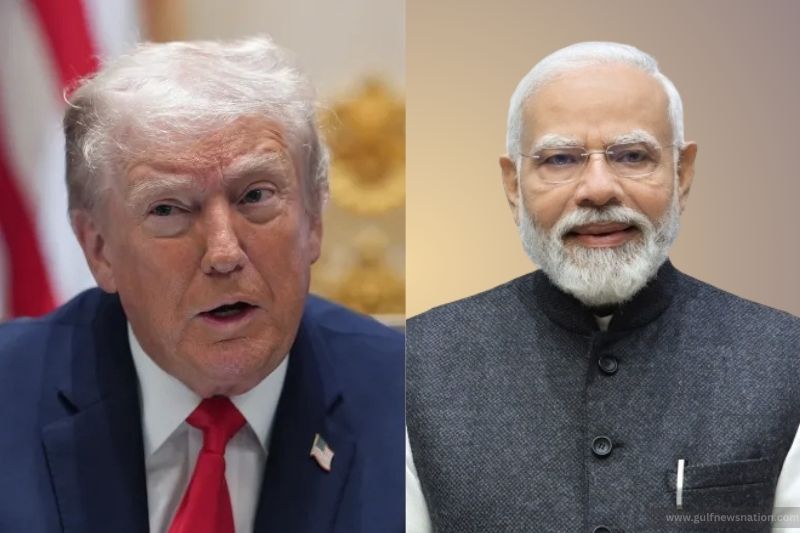
Washington / New Delhi — In a significant development that could reshape global trade ties, U.S. President Donald Trump announced on Monday that the United States and India have agreed to a bilateral trade deal under which the reciprocal tariff on Indian imports will be cut to 18% — down from rates that had climbed as high as 50% amid earlier trade tensions.
President Trump made the announcement following a phone conversation with Indian Prime Minister Narendra Modi, describing the agreement as a major milestone in the long-standing economic relationship between the world’s two largest democracies.
“Out of friendship and respect for Prime Minister Modi and, as per his request, we agreed to a trade deal between the United States and India, whereby the United States will charge a reduced reciprocal tariff, lowering it from previous levels to 18%,” Trump said, signaling the deal would take effect immediately.
What Changed
The reciprocal tariff reduction is part of a broader understanding to ease months of tariff escalation between the two nations. In 2025, U.S. tariffs on several Indian exports had effectively reached 50% due to the combination of a 25% base reciprocal tariff and an additional punitive duty linked to India’s energy sourcing policies. With the new agreement, Trump confirmed that the punitive portion tied to those earlier penalties will no longer apply, leaving the revised 18% rate as the primary duty on Indian imports.
Shortly after Trump’s announcement, Prime Minister Narendra Modi thanked the U.S. president, calling the tariff reduction a “boost for Indian industry” and expressing appreciation on behalf of India’s 1.4 billion people.
Economic Impact and Reactions
The announcement was met with a positive response in financial markets and among exporters. Shares of Indian export-oriented companies surged, reflecting optimism about renewed access to the U.S. market under more competitive tariff conditions.
Analysts say the move could particularly benefit sectors such as textiles, gems and jewellery, and medical devices, which had been hit hard by the previous high duty environment.
Broader Trade Context
While the tariff rollback marks a cooling of trade tensions, some U.S. duties linked to national security provisions — especially on items like steel and aluminium — remain unchanged, keeping certain levies elevated for specific exports.
The Biden administration and Indian trade officials have yet to release a full joint text outlining all terms of the deal, with some aspects still under technical negotiations. However, both leaders framed the agreement as a turning point in economic cooperation between the two countries.
