

Restarting your iPhone is one of the simplest yet most effective ways to fix common issues like lag, app crashes, or network problems. Whether you’re using the latest model or an older device, knowing how to restart iPhone properly can save time and avoid unnecessary troubleshooting.
In this comprehensive guide, you’ll learn how to restart iPhone 18, 17, 13, 16 Pro Max, and 15 Pro Max (all models), including the force restart steps, when to use them, and solutions if your iPhone is not responding.
Why Restarting Your iPhone is Important
Devices running iOS are designed for smooth performance, but occasional glitches can happen.
Restarting helps to:
- Fix slow performance
- Clear temporary system bugs
- Improve battery performance
- Refresh network connections
👉 It’s often the first step recommended by Apple support.
How to Restart iPhone (Face ID Models – iPhone X & Newer)
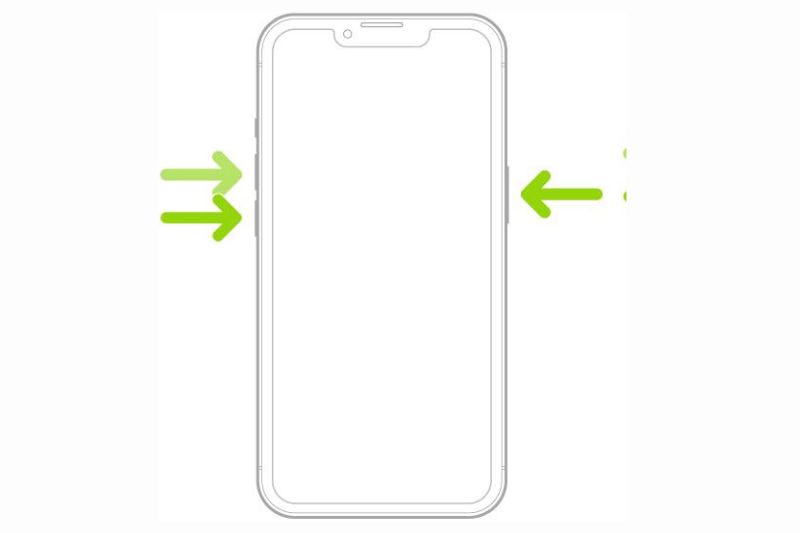
If your iPhone has Face ID (no home button), follow these steps:
Steps:
- Press and hold the Side button + Volume Up/Down button
- Wait until the Power Off slider appears
- Drag the slider to turn off the iPhone
- Wait 10–15 seconds
- Press and hold the Side button again to turn it back on
Also Read: How to Screen Record on iPhone
How to Restart iPhone (Home Button Models)
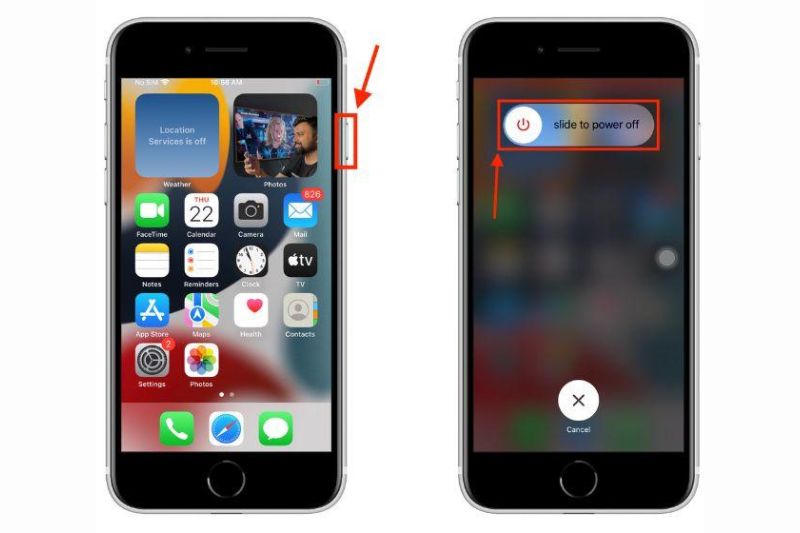
For older iPhones (iPhone 8, 7, SE, etc.):
Steps:
- Press and hold the Power button
- Wait for the slide to power off option
- Drag the slider
- After the device turns off, press the Power button again to restart
How to Force Restart iPhone (When It’s Frozen)
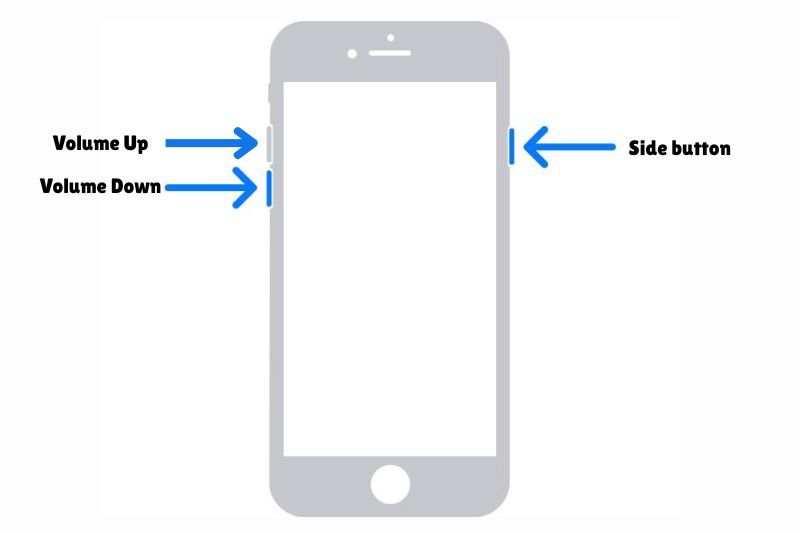
If your iPhone is not responding, a normal restart may not work. In that case, you need to force restart.
For iPhone 8 and newer:
- Press and quickly release Volume Up
- Press and quickly release Volume Down
- Press and hold the Side button
- Release when the Apple logo appears
👉 This method works instantly even if the screen is frozen.
Also Read: iPhone 18 Release Date in UAE
When Should You Restart Your iPhone?
You should restart your iPhone when:
- Apps are crashing frequently
- The device is slow or lagging
- Internet or network issues occur
- After software updates
- Battery draining unusually fast
👉 Restarting regularly helps maintain performance.
iPhone Not Restarting? Try These Fixes
1. Buttons Not Working
- Use AssistiveTouch (virtual button option in settings)
2. Screen Frozen Completely
- Use Force Restart method
3. Stuck on Apple Logo
- Try force restart again
- If not fixed, restore via iTunes/Finder
Pro Tips for iPhone Users
- Restart your iPhone once a week for smoother performance
- Keep your iOS updated for fewer bugs
- Avoid installing too many background apps
- Use original chargers to maintain battery health
Restart vs Force Restart – What’s the Difference?
| Feature | Restart | Force Restart |
|---|---|---|
| Method | Normal shutdown | Button combination |
| Use Case | Regular use | Frozen iPhone |
| Risk | None | Safe if done correctly |
| Data Loss | No | No |
👉 Both methods are safe and do not delete your data.
Also Read: Upcoming Smartphones & Launches in UAE (2026)
FAQs – Restart iPhone
How often should I restart my iPhone?
Once a week is ideal for maintaining performance.
Will restarting delete my data?
No, restarting your iPhone does not remove any data.
What is the difference between restart and reset?
Restart simply reboots your phone, while reset erases data or settings.
Final Thoughts
Knowing how to restart iPhone is a basic but powerful skill that can fix most common issues instantly. Whether you’re using the latest iPhone or an older model, both normal restart and force restart methods are quick and safe.
👉 If your device is still facing issues after restarting, it may be time to explore upgrades like the upcoming iPhone 18 Series, which promises better performance and battery life.
