

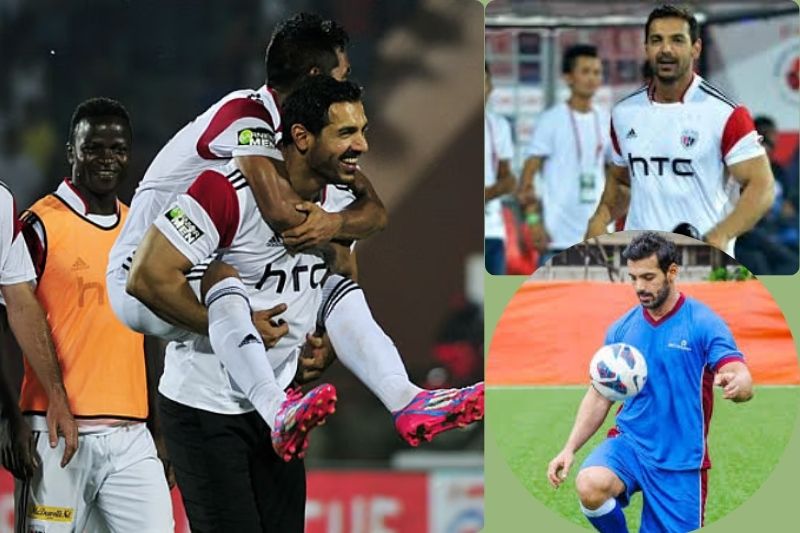
With the Indian Super League yet to kick off, senior players urge FIFA and FIFPro to intervene, prompting strong reactions from actor and club co-owner John Abraham
Indian football is facing renewed scrutiny after Bollywood actor and Indian Super League (ISL) club co-owner John Abraham publicly criticised the ongoing uncertainty surrounding the country’s top domestic competition.
The ISL season, which was expected to begin months ago, remains without a confirmed start date, leaving players, club staff and stakeholders in a prolonged state of uncertainty. The situation escalated after a group of senior Indian footballers released a video appeal calling on global football bodies FIFA and FIFPro to step in and help resolve the crisis.
Reacting to the video, Abraham described the state of Indian football as “shameful”, echoing the frustration felt across the football community. The actor, who co-owns Northeast United FC, has long been an advocate for structural reforms and professional stability in the sport.
In the widely shared message, national team players, including Sunil Chhetri and Gurpreet Singh Sandhu highlighted the lack of communication and clarity from administrators, warning that the delay threatens careers and livelihoods. They stressed that players and support staff deserve transparency and long-term security.
The All India Football Federation (AIFF) has acknowledged the delay and stated that discussions are ongoing regarding the league’s future, though no firm timeline has been announced so far. The uncertainty has raised concerns about player contracts, fitness schedules and India’s broader football ecosystem.
Observers say the episode underlines deeper governance and organisational challenges that have repeatedly stalled progress in Indian football. With club owners, players and fans demanding answers, pressure is mounting on authorities to restore confidence and ensure the league’s continuity.
As calls for reform grow louder, stakeholders insist decisive action is needed to protect the sport’s credibility and prevent long-term damage to Indian football’s development.
