

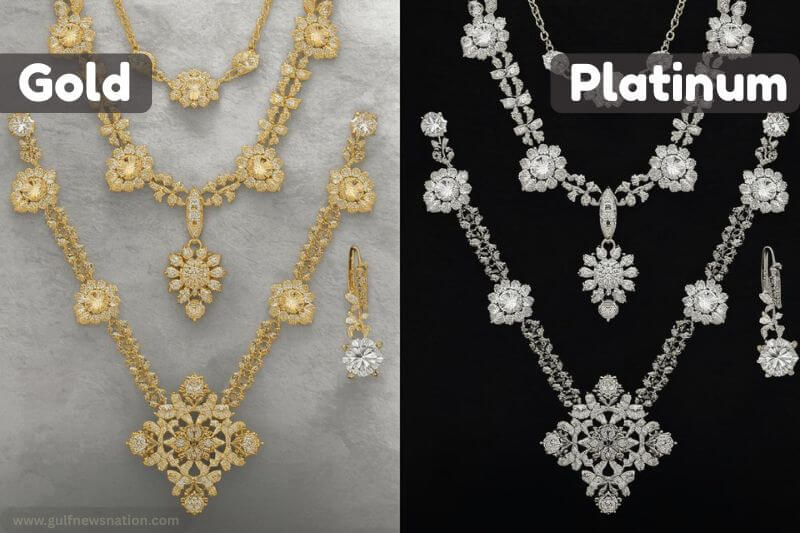
In the world of fine jewellery, two metals have stood the test of time — gold and platinum. From royal treasures to modern engagement rings, these precious metals continue to dominate global jewellery markets. But what makes them so suitable for crafting timeless pieces?
Here’s a detailed look at why gold and platinum remain the best metals for jewellery making in 2026 and beyond.
Exceptional Durability for Everyday Wear
When choosing jewellery, durability matters.
Platinum is one of the strongest precious metals used in jewellery. Its density makes it highly resistant to wear, ensuring gemstones remain securely in place for decades. Instead of wearing away, platinum develops a natural patina that many jewellery lovers appreciate.
Gold, especially in 18K and 14K forms, is alloyed with stronger metals to enhance its durability. This makes it suitable for daily-wear rings, chains, bangles, and bracelets. Explore today gold rate in Dubai.
Best for daily wear: Platinum
Best balance of strength and affordability: 14K/18K Gold
Resistance to Tarnish and Corrosion
One major reason gold is widely used in jewellery is its resistance to rust and corrosion. Pure gold does not tarnish, making it ideal for long-term wear.
Platinum also resists corrosion and maintains its natural white shine without needing re-plating. Unlike white gold, platinum does not require rhodium coating to retain its color.
Hypoallergenic and Skin-Friendly
For people with sensitive skin, the metal choice is crucial.
Platinum is naturally hypoallergenic due to its high purity (usually 95%). High-karat gold (18K and above) is also generally safe for most skin types.
This makes both metals excellent choices for engagement rings and wedding bands that are worn daily.
Malleability and Design Flexibility
Gold is one of the most malleable metals on Earth, allowing jewellers to create intricate designs, delicate filigree work, and detailed craftsmanship.
Platinum, while stronger and denser, provides superior gemstone security — particularly for diamonds — making it a preferred choice for engagement rings.
Gold vs Platinum:
| Feature | Gold | Platinum |
|---|---|---|
| Durability | Strong (14K/18K) | Extremely strong & dense |
| Color Options | Yellow, White, Rose | Naturally white |
| Maintenance | May need polishing | Develops natural patina |
| Hypoallergenic | High-karat gold is safe | Naturally hypoallergenic |
| Price | Generally more affordable | More expensive due to rarity |
| Weight | Lightweight | Heavier feel |
Investment and Long-Term Value
Gold has historically been viewed as a store of wealth and a hedge against inflation. Many families across Asia and the Middle East purchase gold jewellery not just for beauty, but also as financial security.
Platinum, being rarer than gold, carries exclusivity and prestige. Although market prices fluctuate, both metals retain intrinsic value compared to fashion jewellery made from base metals.
Also Read: How Much Gold Allowed from Dubai to India
Aesthetic Appeal and Prestige
Gold offers versatility with yellow, white, and rose shades, catering to different style preferences.
Platinum’s naturally white sheen enhances the brilliance of diamonds, which is why many luxury brands prefer it for high-end collections.
In global luxury markets such as Dubai, London, and New York, both metals continue to dominate bridal and fine jewellery segments.
Gold or Platinum – Which Metal Should You Choose?
- Choose gold if you prefer variety in color, lighter weight, and relatively lower cost.
- Choose platinum if you want maximum durability, hypoallergenic properties, and a premium feel.
For engagement rings, platinum is often considered the most secure option for holding diamonds, while gold remains a versatile and timeless choice.
Frequently Asked Questions (FAQs)
Why is gold commonly used in jewellery making?
Gold is durable, resistant to tarnish, easy to shape, and retains long-term value, making it ideal for fine jewellery.
Is platinum better than gold for engagement rings?
Platinum is denser and more secure for holding gemstones, which makes it a popular choice for engagement rings. However, gold is also strong and more budget-friendly.
Does platinum tarnish over time?
No, platinum does not tarnish. It develops a natural patina that many people find attractive.
Which metal lasts longer, gold or platinum?
Platinum generally lasts longer because it is denser and more resistant to wear.
Why is platinum more expensive than gold?
Platinum is rarer, heavier, and requires more labor to craft, which increases its cost.
Conclusion
Gold and platinum continue to lead the jewellery industry because of their unmatched durability, resistance to corrosion, hypoallergenic properties, and timeless elegance. Whether chosen for emotional milestones or long-term investment, both metals remain the top choices for fine jewellery worldwide.
