

Iran’s Supreme Leader Ali Khamenei has died at the age of 86, according to confirmation from Iranian state media early Sunday. Authorities in Tehran declared a 40-day national mourning period following the announcement, marking the end of more than three decades of his leadership.
Khamenei, who had served as Iran’s highest political and religious authority since 1989, played a central role in shaping the country’s domestic policies, military strategy, and foreign relations.
Quick Facts
- Name: Ali Khamenei
- Age: 86
- Position: Supreme Leader of Iran (1989–2026)
- Mourning Period: 40 days declared
- International Reaction: Strong response from Donald Trump
How Ali Khamenei Died
According to official Iranian broadcasters, Khamenei was killed during recent military escalations involving US and Israeli strikes. While Iranian authorities did not disclose operational details, they confirmed his death and referred to him as having “reached martyrdom.”
The development comes amid heightened tensions in the region, with security concerns escalating over the past week.
Trump Reacts After Confirmation
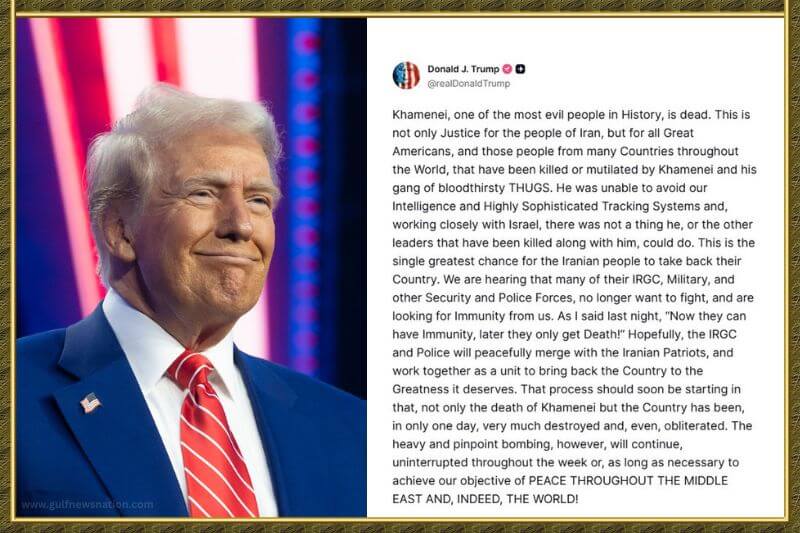
Shortly after the confirmation, former US President Donald Trump posted a strongly worded reaction on his official social media account. Trump wrote that Khamenei’s death represented a “major opportunity” for the Iranian people and suggested it could mark a turning point for the Middle East. In his statement, he accused the Iranian leadership of regional instability and indicated that military operations would continue if necessary.
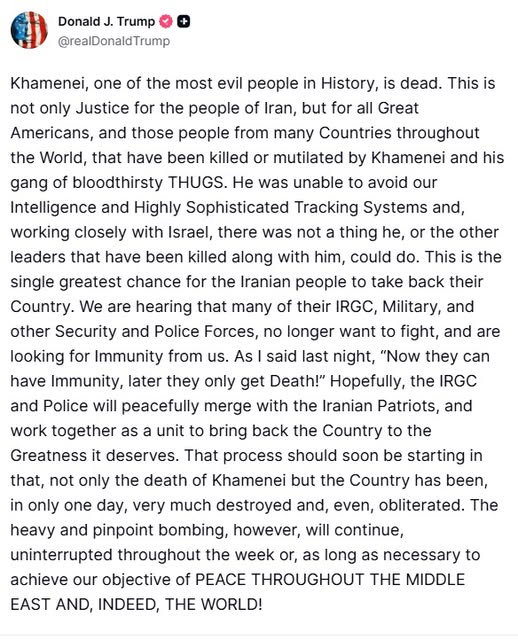
In his statement, Trump described Khamenei as “one of the most evil people in history,” and said the development marked a “greatest chance” for the Iranian people.
Who Was Ali Khamenei?
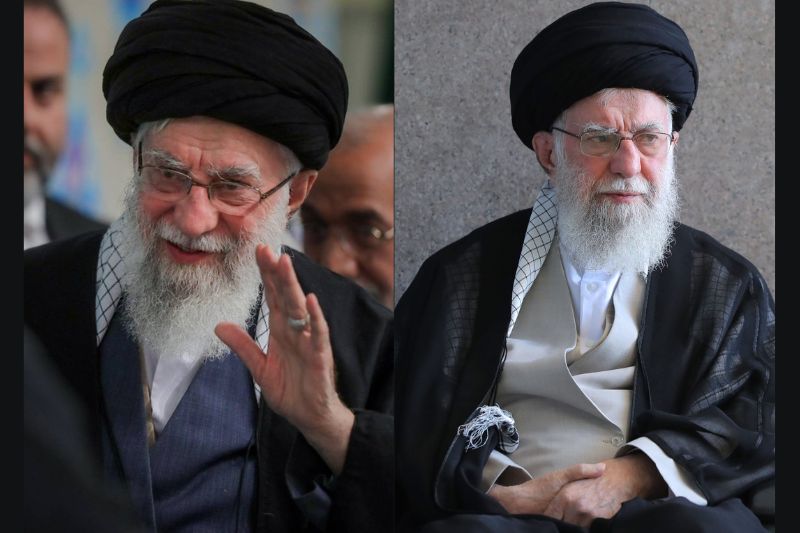
Khamenei became Iran’s Supreme Leader in 1989 following the death of Ruhollah Khomeini. As Supreme Leader, he held ultimate authority over:
- Iran’s armed forces
- Judiciary and security apparatus
- Key foreign policy decisions
- Strategic military programs
During his 36-year rule, Iran faced heavy international sanctions, nuclear negotiations, regional conflicts, and domestic protests.
What Happens Next in Iran?
Following the confirmed death of Ali Khamenei, Iran now faces a constitutional and political transition that could reshape the country’s future. According to Iran’s constitution, the Assembly of Experts — an 88-member clerical body — is responsible for selecting a new Supreme Leader and is expected to convene urgently to begin the process. Until a successor is chosen, Article 111 of the constitution allows for the establishment of a temporary leadership council composed of top officials such as the president, judiciary chief and a senior jurist, to assume duties and maintain continuity of state functions. Reports also indicate that an interim leadership council has begun forming amid the leadership vacuum, reflecting Tehran’s efforts to stabilise governance during this unprecedented moment.
Political analysts say the succession process is likely to be closely watched both inside Iran and internationally, as key institutions — including the Islamic Revolutionary Guard Corps (IRGC) and clerical establishment — weigh heavily in determining the next supreme authority. Contenders for leadership could emerge from powerful clerical figures or even within hardline military ranks, with some reports prior to Khamenei’s death suggesting potential candidates had already been considered internally. The transition process will not only determine Iran’s internal power dynamics but also influence its foreign policy, control over armed proxies in the region and posture toward global powers.
Global Reactions
International leaders are closely monitoring developments. The Middle East remains on high alert, with concerns about possible retaliatory actions or further escalation. Markets also reacted cautiously, particularly oil prices, amid fears of instability in the region.
Also Read: UAE Defends Against Iranian Missile and Drone Attack
Why This Is a Major Geopolitical Moment
The death of Iran’s long-time supreme leader represents one of the most significant geopolitical developments in the Middle East in decades. Khamenei’s rule defined Iran’s foreign policy, marked by staunch opposition to the United States and Israel, expansion of regional influence through allied groups such as Hezbollah and support for proxy militias in Iraq, Syria and Yemen, as well as resistance to Western diplomatic pressure on Iran’s nuclear program. With his passing, hardline factions and security elites could exert greater influence over the succession process, potentially reinforcing a militarised regime model or sparking internal contestation that affects regional stability.
Globally, markets and policy circles are already pricing in heightened uncertainty. Iran sits at a critical junction of global energy supply and regional security architecture, and a power vacuum or contested leadership could spark renewed hostilities or shifts in alliances. The outcome of Iran’s leadership transition — from whether a consensus figure is selected to how institutions like the IRGC assert authority — will have profound implications for nuclear diplomacy, tensions with Western nations, and the geopolitical balance across the Gulf and beyond.
